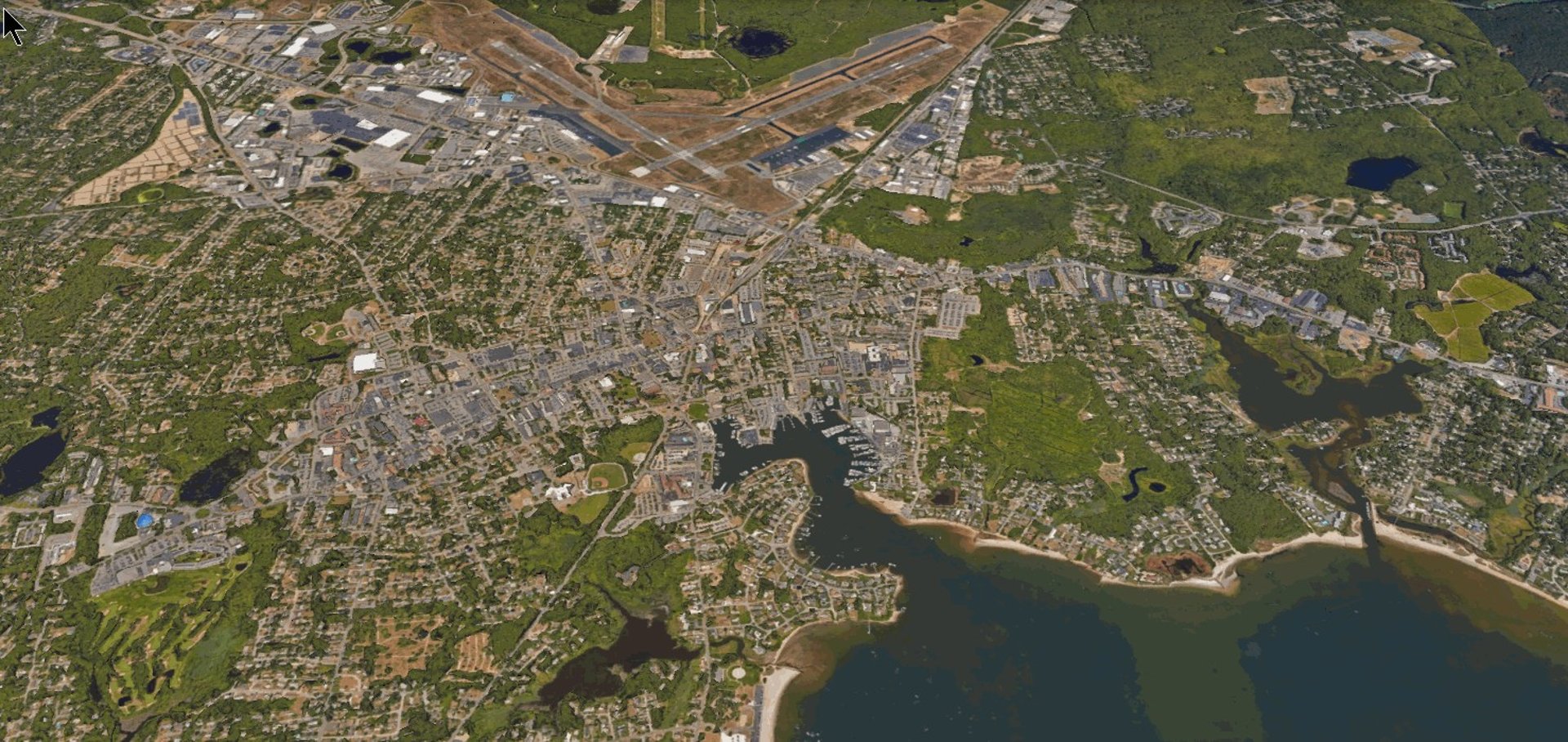
If you lived, worked, or attended school in the Hyannis area prior to 2016, you were probably exposed to toxic "forever chemicals” called PFAS that contaminated local drinking water. Fortunately, the Town of Barnstable acted quickly to install PFAS filtration systems that provide us with some of the safest drinking water in the country. Your past exposure, however, could come with health risks. In addition, PFAS from contaminated sites continues to spread through our sole-source aquifer, ponds, and streams in Barnstable and into Yarmouth. Being informed and proactive can help you remain healthy and protect our environment.
THE PFAS STORY IN HYANNIS AND ENVIRONS
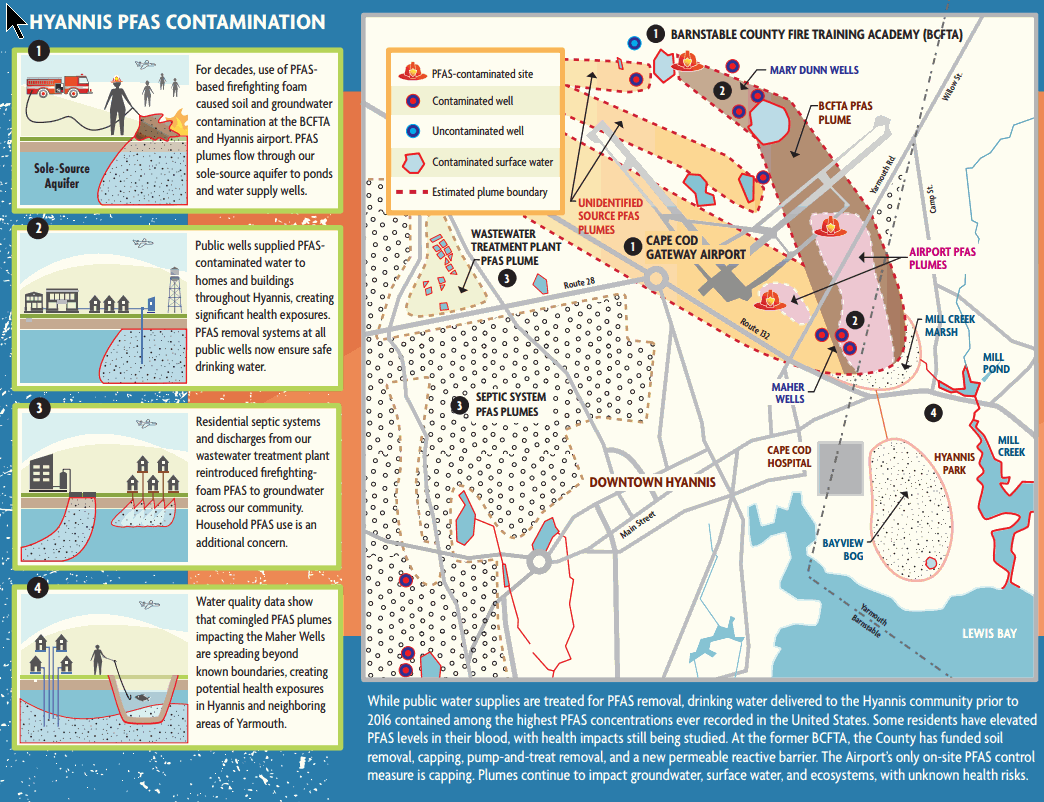
PFAS stands for per- and poly-fluoroalkyl substances found in everyday household products and some firefighting chemicals. Historical use of firefighting chemicals at the former Barnstable County Fire Training Academy (FTA) and Cape Cod Gateway Airport introduced large quantities of PFAS to the environment, contaminating our sole-source aquifer.
PFAS travels rapidly in sandy soils and persists in the environment indefinitely. Drinking water delivered to the Hyannis community prior to 2016 contained among the highest PFAS concentrations ever recorded in the United States. Blood testing data show that some Hyannis residents have elevated PFAS levels, compared to levels in the rest of the U.S. population.
Human exposure to elevated levels of certain of these “forever chemicals” is linked to adverse effects on reproduction and childhood development, increased risk of certain cancers, reduced immune response, and increased cholesterol levels and obesity risks. Groundwater treatment systems installed at wellfields ensure that public drinking water supplies are safe, but they do not address the impacts of legacy exposures to Hyannis area residents, workers, and visitors. Health effects are still being studied.
Meanwhile, PFAS contamination persists and continues to spread. At the former FTA, the County has funded soil removal, capping, pump-and-treat removal, and a new permeable reactive barrier. The Airport’s only on-site PFAS control measure is capping. Additional plumes, emanating from unidentified sources, also exist. Uncontrolled plumes continue to impact groundwater, surface water, and ecosystems, with unknown health exposures and risks.